Renowned globally for its exceptional standard of education, Switzerland is a premier destination for academic pursuits. The École Polytechnique Fédérale de Lausanne (EPFL) consistently places among the world’s elite in international league tables. Alongside ETH Zurich, it stands as one of Switzerland’s two prestigious federal institutes of technology, often colloquially referred to as the "MIT of Europe".
While many students from Hong Kong aspire to enter this top-tier institution, it is essential to understand EPFL’s course specialisations, tuition budgets, language requirements, and entry thresholds prior to applying. Furthermore, because its tuition fees are remarkably competitive compared to institutions in the UK and US, EPFL offers an outstanding return on investment. This comprehensive guide by Grove Education details the academic strengths and application insights of this world-class Swiss institution.
Introduction to EPFL
Founded in 1853, the École Polytechnique Fédérale de Lausanne (EPFL) is situated in the French-speaking region of Switzerland, on the picturesque shores of Lake Geneva in Lausanne. Managed directly by the Swiss federal government, EPFL specialises in delivering elite education and conducting pioneering research in engineering, natural sciences, and architecture.
The campus is defined by its highly international atmosphere, bringing together students and faculty from over 120 countries. EPFL houses world-class laboratories and research facilities and maintains close research collaborations with industry leaders. This proximity provides students with extensive internship and corporate employment opportunities, making it a premier destination for those seeking top-tier technical education.
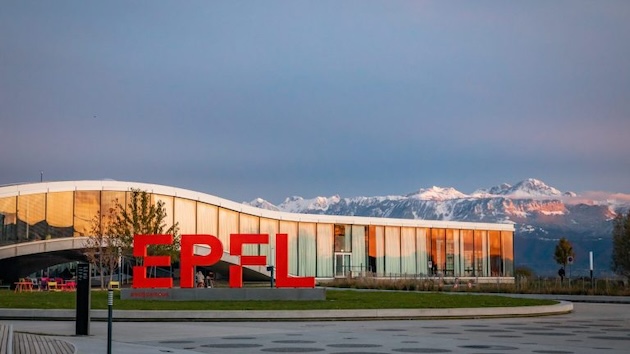
Source: EPFL
EPFL: Global Rankings and Academic Reputation
International league tables offer a direct metric of an institution’s global academic standing. EPFL consistently delivers a stellar performance across major metrics:
- QS World University Rankings 2026: EPFL is ranked 22nd globally [1]. It has long maintained a secure position within the world’s top 30, solidifying its status as a premier European technical institute. In engineering and technology fields, it frequently outranks several elite UK and US universities.
- QS Sustainability Rankings: The institution leads globally in environmental engineering and sustainable energy research, reflecting its commitment to addressing critical global challenges.
- Times Higher Education (THE) World University Rankings: EPFL places comfortably within the global top 100, scoring exceptionally high marks for its research citations and international outlook [2].
These benchmarks demonstrate that EPFL operates at a world-class standard in both academic research output and graduate competitiveness.
EPFL: Graduate Career Prospects and Employment Outcomes
Beyond its academic prestige, EPFL holds an enviable reputation among global employers. For international students from Hong Kong, a degree from EPFL serves as an elite credential for entering top-tier corporate sectors across Europe.
High Employment Rates and Lucrative Salaries
According to official graduate surveys, over 90% of Master’s graduates secure employment within one year of graduation. Given the high demand for engineering and technology professionals in Switzerland, EPFL graduates command exceptional starting salaries. The median annual salary for a Master's graduate in the private sector is approximately 88,000 Swiss Francs (CHF) (approx. HK$780,000), a figure substantially higher than the European average [3].
Post-Study Work Advantages in Switzerland
While securing a work visa in Europe can be complex, the Swiss government maintains an accommodating policy for qualified STEM talent:
- Job Seeker Permit: Non-EU graduates can apply for a six-month short-term residence permit upon graduation to secure employment.
- Exemption from Local Labour Quotas: Although Switzerland maintains strict work visa quotas for non-EU/EFTA nationals, Swiss law stipulates that non-EU graduates from Swiss universities are exempt from local priority hiring regulations if the job position carries "high scientific or economic interest". Consequently, EPFL graduates in engineering, science, and IT disciplines hold a significant competitive advantage when applying for Swiss work permits.
Course Overview and Faculty Specialisations
EPFL is a highly specialised technical university comprising several schools that span foundational sciences to frontier technologies. Prospective applicants should note that undergraduate (Bachelor’s) courses are primarily conducted in French, whereas postgraduate (Master’s) programmes are mostly delivered in English.
Key faculties and disciplines include:
- School of Basic Sciences: Encompassing Mathematics, Physics, Chemistry, and Chemical Engineering, this school serves as an elite training ground for future scientists and researchers.
- School of Engineering: One of EPFL's largest faculties, offering highly sought-after disciplines such as Mechanical Engineering, Electrical and Electronic Engineering, and Materials Science.
- School of Computer and Communication Sciences: With the rapid expansion of AI and Big Data, programmes within this school—including Computer Science, Cyber Security, Data Science, and Communication Systems—are exceptionally competitive.
- School of Life Sciences: Merging engineering principles with biomedical sciences to offer cutting-edge tracks in Bioengineering and Neuroscience.
- School of Architecture, Civil and Environmental Engineering (ENAC): The Architecture programme is a flagship discipline at EPFL, blending design with advanced structural engineering. The Environmental Engineering track focuses heavily on sustainable development initiatives.
- College of Management of Technology (CDM): Integrating management science, finance, and technology to foster entrepreneurial leaders. It drives cutting-edge research through the Management of Technology and Entrepreneurship Institute (MTEI) and the Swiss Finance Institute (SFI).
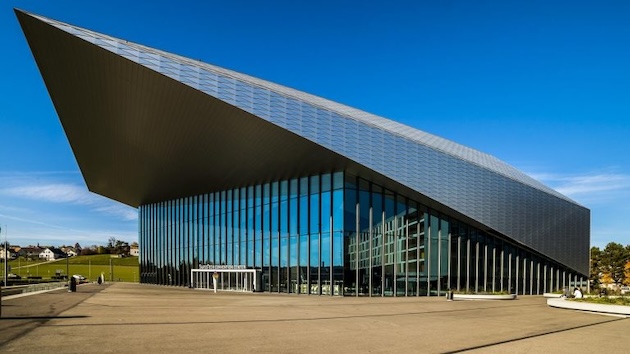
Source: EPFL
EPFL: Tuition Fees and Estimated Living Expenditure
Compared to the considerable tuition fees demanded by institutions in the US or UK, Swiss public universities offer exceptional affordability, making EPFL an increasingly popular option for families worldwide.
1. Tuition Fees Overview
Because EPFL is heavily subsidised by the Swiss Federal Government, international students benefit from exceptionally low tuition rates:
- Bachelor’s and Master’s Programmes: Tuition is approximately 2,190 CHF per semester (approx. HK$22,000) [4].
- Miscellaneous Levies: Students pay nominal mandatory student union and sports facility fees, totalling approximately 50 CHF per semester.
2. Estimated Cost of Living Budget
While tuition fees are modest, Switzerland's living costs—including rent, transport, insurance, and groceries—remain among the highest in Europe.
- Accommodation: Student housing or shared apartments in the Lausanne region typically range around 900 CHF per month.
- Total Living Budget: According to official university guidance, students should budget approximately 2,100 CHF per month (approx. HK$21,100) to cover overall living expenses [5].
Therefore, when structuring financial plans, parents should treat the cost of living—rather than tuition fees—as the primary expenditure component.
Entry Thresholds and Admission Requirements
EPFL maintains stringent academic admission standards, particularly for applicants presenting international credentials.
Academic Requirements
Holders of the Hong Kong Secondary Education Certificate (HKDSE) generally cannot enter the first year of a Bachelor's programme directly, due to strict prerequisite subject requirements in higher-level mathematics and sciences. Most HKDSE applicants must either enroll in EPFL’s preparatory Special Mathematics Course (CMS) or pass a rigorous entrance examination [6]. Applicants holding the IB Diploma must present high overall scores alongside exceptional marks in Higher Level (HL) Mathematics and Sciences [6].
Language Proficiency Standards
Depending on the degree level, fluency in French or English is mandatory [6]:
- Undergraduate (Bachelor’s) Level: Taught predominantly in French; applicants must provide proof of CEFR B2 or C1 level proficiency in French.
- Postgraduate (Master’s) Level: Delivered mostly in English; candidates must submit valid IELTS or TOEFL scores, typically reflecting a C1 proficiency level.
Source: EPFL
Realise Your Swiss Academic Ambitions with Grove Education
With its premier global rankings and unparalleled research output, EPFL represents an exceptional choice for engineering and science students. However, navigating its competitive entry thresholds, French language requirements, and credit verification procedures can be complex.
If you wish to explore course options at EPFL or evaluate your eligibility, contact the consultancy team at Grove Education. Our professional advisors provide precise guidance on tuition mapping and strategic profile building, ensuring you stand out in the competitive Swiss admissions pool.
References:
1. QS Top Universities - QS World University Rankings 2026: Top global universities
2. Times Higher Education - École Polytechnique Fédérale de Lausanne
4. EPFL - Tuition fee and other fees
5. EPFL - Financing your studies