Study in the United States
Your Gateway to Global Opportunities

Why Study in the United States?
With over 4,000 universities and colleges, the United States offers the widest selection of programmes and institutions in the world. Its universities consistently dominate global rankings and are known for cutting-edge research, academic rigour, and outstanding campus resources. The US education system also values holistic admissions and encourages interdisciplinary learning, giving students flexibility to explore interests before specialising.

Secondary Education in the United States for International Students
The U.S. secondary school system provides students with a broad foundation in academics, extracurricular activities, and personal development before university. Schooling typically covers Grades 9–12 (ages 14–18) and concludes with the award of a High School Diploma, which is the minimum requirement for university admission. Students usually study a mix of core subjects (English, Mathematics, Science, Social Studies) along with electives such as Arts, Music, Foreign Languages, and Technology. Advanced programmes like Advanced Placement (AP), International Baccalaureate (IB), or Honors courses allow students to pursue university-level studies in high school and strengthen their applications to top universities. Key features include:
- Holistic development: Strong emphasis on sports, arts, community service, and leadership alongside academics.
- Flexibility: Students can select electives that align with their interests and career goals.
- Pathways to university: Performance in GPA, standardised tests (SAT/ACT), and extracurricular achievements all play a role in U.S. university admissions.
- International students: Many private and boarding high schools offer tailored programmes with English language support and counselling for college applications.
Completing U.S. secondary education prepares students not only for university entry but also for a well-rounded, globally competitive academic and personal profile.
Overview of Top-Ranked US Universities in the QS Rankings
Discover American universities ranked among the top 200 in the QS World University Rankings 2026:
| University | QS Ranking 2026 | Fields of Excellence |
|---|---|---|
| Massachusetts Institute of Technology (MIT) | #1 | Engineering, Computer Science, Physics |
| Stanford University | #3 | AI, Entrepreneurship, Engineering |
| Harvard University | #5 | Law, Business, Medicine |
| California Institute of Technology (Caltech) | #10 | Physics, Engineering, Mathematics |
| University of Chicago | #13 | Economics, Law, Social Sciences |
| University of Pennsylvania (UPenn) | #15 | Business, Medicine, Education |
| Cornell University | #16 | Engineering, Agriculture, Business |
| University of California, Berkeley (UCB) | #17 | Engineering, Environmental Science |
| Yale University | #21 | Law, Humanities, Political Science |
| Johns Hopkins University | #24 | Medicine, Public Health, Biology |
| Princeton University | #25 | Mathematics, Economics, Public Policy |
| Columbia University | #38 | Journalism, Architecture, Medicine |
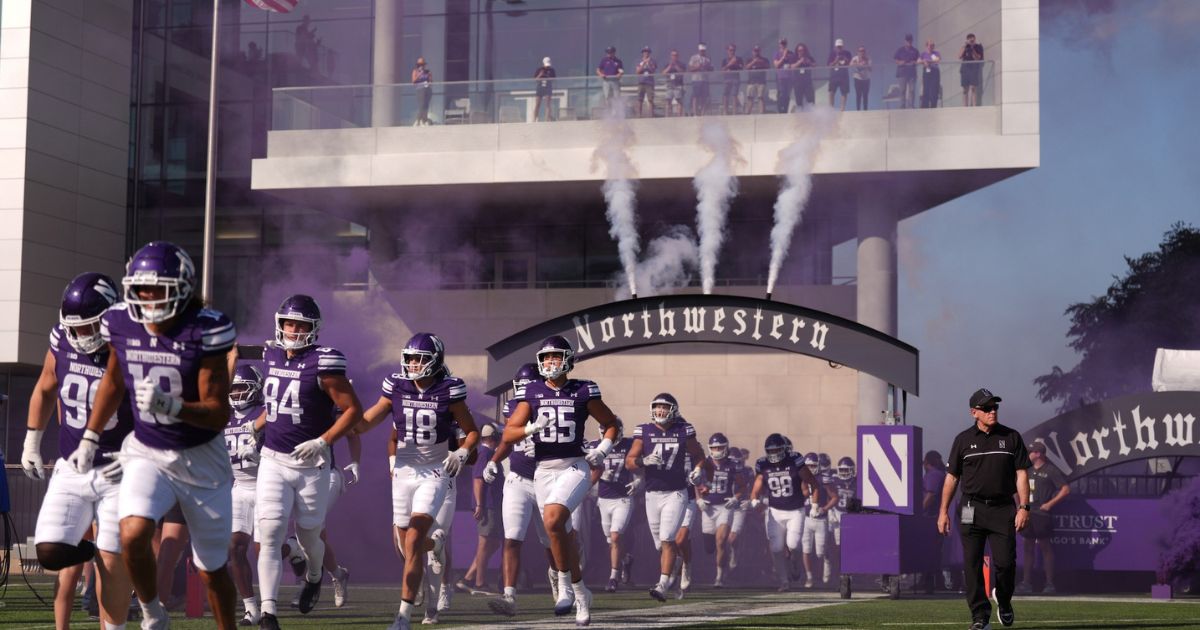
| Northwestern University | #42 | Business, Journalism, Law |
| University of Michigan – Ann Arbor | #45 | Engineering, Social Sciences, Business |
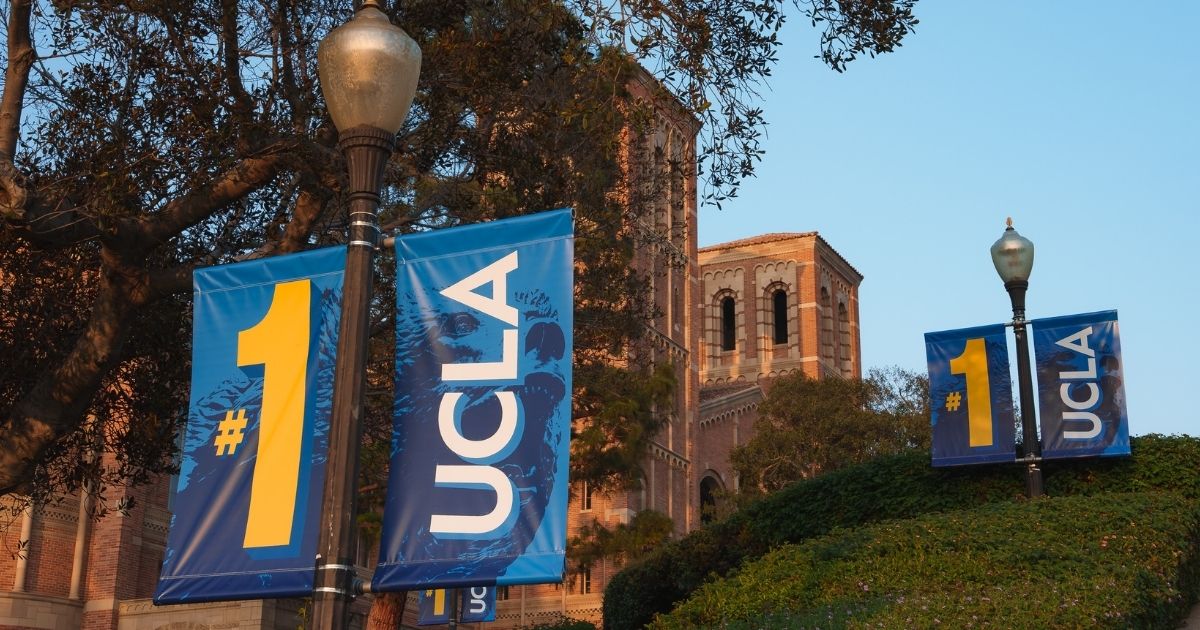
| University of California, Los Angeles (UCLA) | #46 | Film, Medicine, Humanities |
| Carnegie Mellon University | #52 | Computer Science, Robotics, Arts & Design |
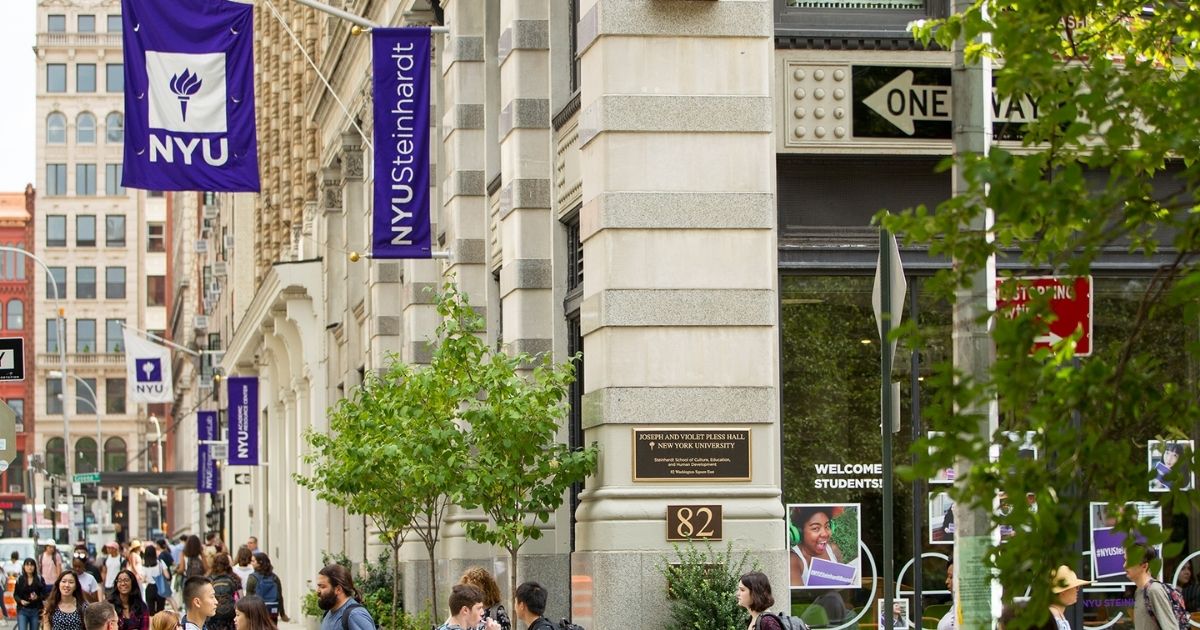
| New York University (NYU) | #55 | Business, Social Sciences, Arts |
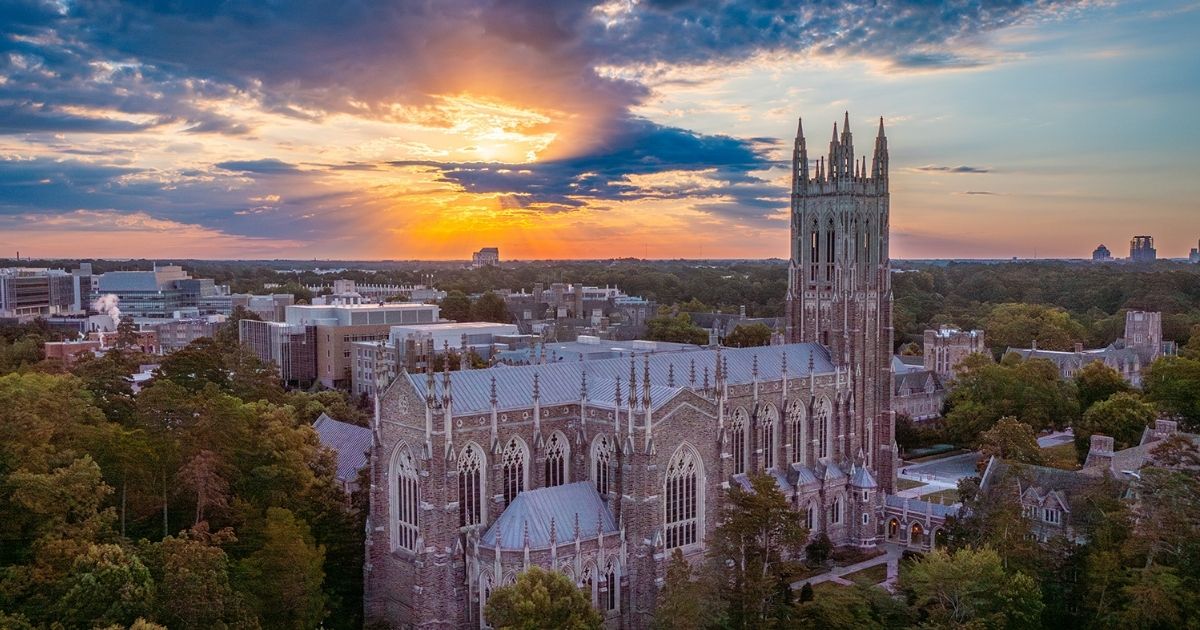
| Duke University | #62 | Medicine, Law, Public Health |
| University of California, San Diego (UCSD) | #66 | Engineering, Biological Sciences |
| University of Texas at Austin (UT Austin) | #68 | Communications, Engineering, Media Studies |
| Brown University | #69 | Humanities, Medicine, Research Environment |
| University of Illinois at Urbana–Champaign (UIUC) | #70 | Engineering, Computer Science, Business |
| University of Washington | #81 | Engineering, Environmental Science, Informatics |
| Pennsylvania State University (Penn State) | #82 | Sustainability, Research Reputation |
| Boston University | #88 | Public Health, Business, Research Impact |
| Purdue University | #88 | Engineering, Technology, Business |
| University of Wisconsin–Madison | #110 | Life Sciences, Engineering, Research |
| University of California, Davis (UC Davis) | #114 | Agriculture, Veterinary Sciences, Environmental Science |
| Rice University | #119 | Engineering, Natural Sciences |
| Georgia Institute of Technology (Georgia Tech) | #123 | Engineering, Computing, Innovation |
| University of North Carolina at Chapel Hill (UNC) | #140 | Public Policy, Social Sciences, Business |
| Texas A&M University | #144 | Engineering, Agriculture, Veterinary Sciences |
| University of Southern California (USC) | #146 | Film, Business, Engineering |
| Michigan State University | #161 | Sustainability, Education, Research |
| Washington University in St. Louis | #167 | Medicine, Engineering, Research |
| Arizona State University (ASU) | #173 | Innovation, Research Growth |
| University of California, Santa Barbara (UCSB) | #179 | Environmental Sciences, Physics, Sustainability |
| Emory University | #182 | Medicine, Public Health, Humanities |
| The Ohio State University | #190 | Business, Medicine, Engineering |
What Makes Study in the US Stand Out?

Academic Excellence
Home to 17 of the QS Global Top 50 universities, with world-leading teaching and research standards.

Innovation & Research Leadership
Cutting-edge facilities and close partnerships with industries driving progress in technology, healthcare, and sustainability.

Flexible Programme Structure
Students can explore a wide range of disciplines before declaring a major, encouraging intellectual curiosity and interdisciplinary learning.

Vibrant Campus Life
From sports and student organisations to cultural events, US universities offer an immersive, community-oriented student experience.

Global Career Opportunities
US degrees are highly valued by employers worldwide, and Optional Practical Training (OPT) allows international students to gain work experience after graduation.

Cultural Diversity & Inclusion
The US hosts one of the world’s largest international student populations, fostering open-mindedness, cross-cultural exchange, and lifelong global connections.
Entry Requirements for Non-JUPAS Applicants (IB, GCE A-Level)
U.S. universities adopt a holistic admissions approach, considering both academic and non-academic factors. Requirements vary by institution and programme.
| Qualification | Typical Requirements |
|---|---|
| HKDSE | Level 4–5* or above, supported by SAT/ACT, personal statement, and extracurricular activities |
| IB Diploma | Typically 32–40 points (including HL subjects and the Extended Essay) |
| GCE A-Level | Usually AAB–AAA; recommendations and extracurricular achievements are also considered |
Standardised tests (e.g. SAT/ACT) may be optional or required depending on the institution. Need help understanding if your grades meet the entry threshold?

Cost
Studying in the U.S. represents a significant investment, but there are various forms of financial aid available:
- Bachelor’s Degree Tuition: USD 25,000–73,260 per year
- Master’s Degree Tuition: USD 30,000–73,260 per year
- Living Costs: USD 12,000–26,000 per year (varies by city and lifestyle)
Student Life in the United States
Studying in the US offers more than academics—it’s a dynamic and immersive experience that fosters personal growth, cultural exploration, and professional development:

Vibrant Campus Communities
Clubs, societies, and sports provide opportunities to connect, lead, and engage with peers.

On-Campus Living
Accommodation options promote convenience, social interaction, and integration into university life.

Internships & Research Opportunities
Students gain hands-on experience through internships, volunteering, and cutting-edge research projects.

Support & Wellbeing
Universities provide orientation programmes, career services, and mental health support to ensure a smooth and fulfilling student experience.
Application Timeline & Deadlines
Most U.S. universities operate on a rolling admissions or fixed deadline system. Key dates include:
| Intake | Application Period |
|---|---|
| Fall (August/September) | Early Decision / Early Action: Aug – Nov (Year 13 / Grade 12) Regular Decision: Jan – Feb |
| Spring (January) | Regular Decision: Sep – Oct (previous year) |
Early application is strongly recommended for selective programmes and scholarships.

Get Personalised Advice
Our team of education consultants can help you shortlist suitable US universities, prepare your application, and plan your academic future.
Book a Consultation Now