Study in the United Kingdom
A Tradition of Excellence, A Future of Possibilities

Why Study in the UK?
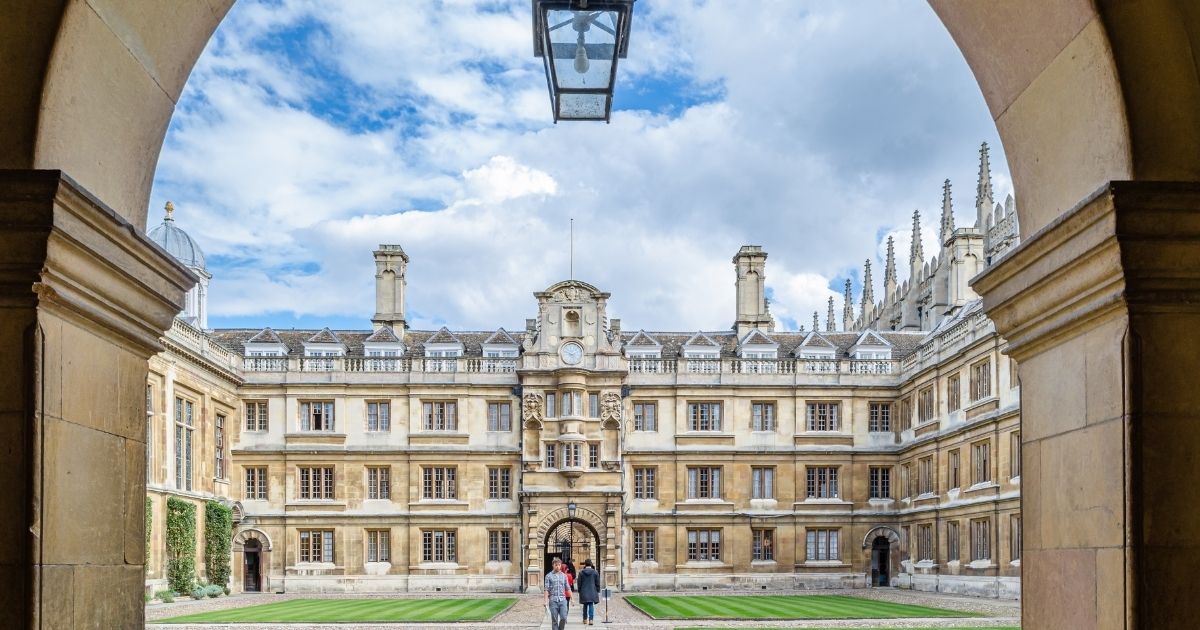
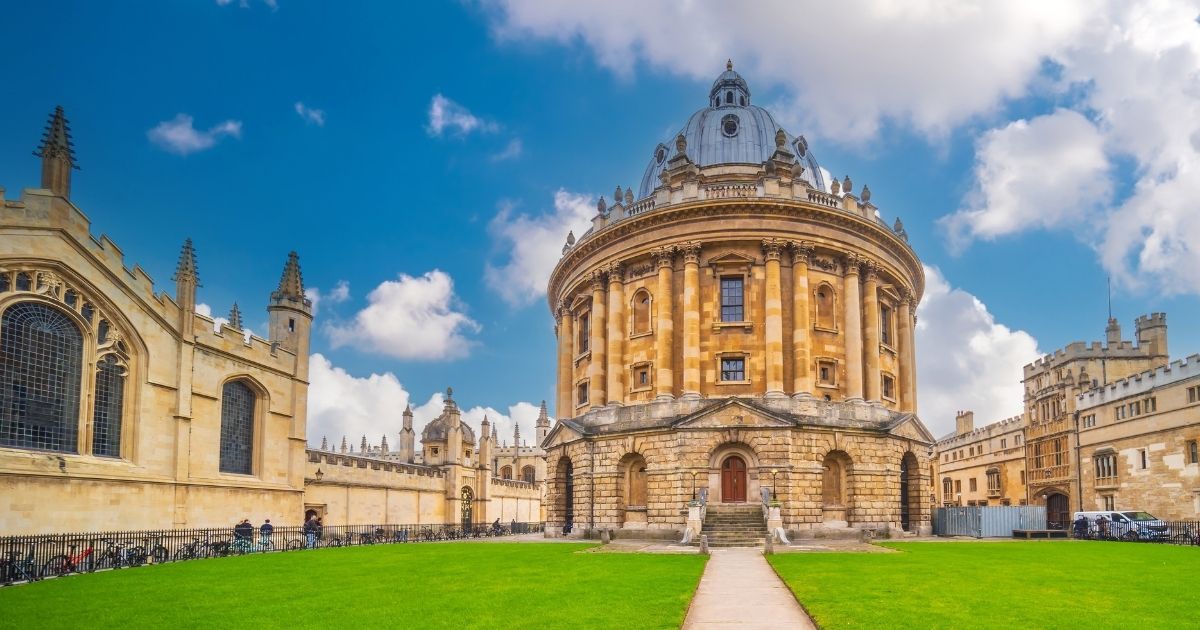
The United Kingdom has long been a world leader in higher education, home to some of the most prestigious and historic universities globally. With a diverse international student community and degrees recognised worldwide, studying in the UK opens doors to a wealth of academic, career, and cultural experiences. From the ancient colleges of Oxford and Cambridge to modern research powerhouses like Imperial College London and the University of Edinburgh, students benefit from cutting-edge teaching, strong industry links, and a vibrant campus life.
Secondary Education in the United Kingdom for International Students
The UK has one of the world’s most established secondary education systems, preparing students for university with internationally recognised qualifications. The main pathways are:
- GCSE (General Certificate of Secondary Education): Taken at ages 14–16, covering a wide range of subjects. Students usually progress to A-levels or equivalent qualifications.
- GCE A-Level: A two-year programme (ages 16–18) focused on three to four subjects. Highly regarded worldwide and the most common route into UK universities.
- International Baccalaureate (IB) Diploma: Available at selected schools, offering a broad and balanced curriculum recognised by UK universities.
- Foundation or Pre-University Programmes: Designed for international students who may need additional academic preparation or English language support before entering university.
Boarding schools in the UK are especially popular among international families, combining strong academics with extracurricular opportunities and a supportive community. The country’s secondary education system provides a direct pathway into top UK universities, while also equipping students with critical thinking, communication, and independent learning skills valued globally.
Overview of Top-Ranked UK Universities in the QS Rankings
Discover British universities ranked among the top 200 in the QS World University Rankings 2026:
| University | QS Ranking 2026 | Fields of Excellence |
|---|---|---|
| Imperial College London | #2 | STEM, Engineering, Medicine |
| University of Oxford | #4 | Humanities, Law, Sciences |
| University of Cambridge | #6 | Sciences, Engineering, Humanities |
| UCL (University College London) | #9 | Architecture, Education, Medicine |
| King's College London (KCL) | #31 | Law, Humanities, Health Sciences |
| University of Edinburgh | #34 | Informatics, Medicine, Arts |
| The University of Manchester | #35 | Engineering, Business, Materials Science |
| University of Bristol | #51 | Engineering, Social Sciences, Veterinary Science |
| London School of Economics and Political Science (LSE) | #56 | Economics, Politics, Social Policy |
| The University of Warwick | #74 | Mathematics, Business, Economics |
| University of Birmingham | #76 | Biosciences, Medicine, Engineering |
| University of Glasgow | #79 | Life Sciences, Law, Education |
| University of Leeds | #86 | Business, Engineering, Arts |
| University of Southampton | #87 | Oceanography, Engineering, Computer Science |
| The University of Sheffield | #92 | Architecture, Engineering, Social Sciences |
| Durham University | #94 | Humanities, Law, Social Sciences |
| The University of Nottingham | #97 | Pharmacy, Agriculture, Education |
| Queen Mary University of London (QMUL) | #110 | Dentistry, Law, Engineering |
| University of St Andrews | #113 | Philosophy, History, Science |
| University of Bath | #132 | Architecture, Engineering, Management |
| Newcastle University | #137 | Medicine, Agriculture, Engineering |
| University of Liverpool | #147 | Veterinary Science, Engineering, Business |
| University of Exeter | #155 | Environmental Science, Business, Humanities |
| Lancaster University | #157 | Linguistics, Business, Psychology |
| University of York | #169 | English, History, Chemistry |
| Cardiff University | #181 | Journalism, Architecture, Psychology |
| University of Reading | #194 | Meteorology, Agriculture, Business |
| Queen's University Belfast | #199 | Pharmacy, Engineering, Politics |
What Makes Study in the UK Stand Out?

Globally Recognised Qualifications
UK degrees are respected by employers and academic institutions worldwide.

Flexible Programme Structures
Students can specialise early and complete undergraduate degrees in just three years (four in Scotland).

Cultural and Academic Diversity
A strong international student community across the country.

Post-Study Opportunities
The UK Graduate Route allows students to stay and work for up to 2 years (3 years for doctoral graduates) after completing their studies.

Research Excellence
UK universities are at the forefront of global research across disciplines, offering students exposure to cutting-edge facilities and projects.

Rich Campus Life & Extracurricular Opportunities
Students benefit from vibrant clubs, societies, sports, and cultural activities that complement academic learning.
Entry Requirements for Non-JUPAS Applicants (IB, GCE A-Level)
UK universities set academic requirements based on the qualifications of international applicants. The table below outlines typical entry standards for HKDSE, IB, and GCE A-Level students, though individual courses or institutions may have additional subject or test requirements.
| Qualification | Typical Requirements |
|---|---|
| HKDSE | Most top universities require 5*–5 in three relevant subjects. May also require English Level 4 or above. |
| IB Diploma | Competitive programmes typically require 36–42 points with HL subject scores of 6 or 7. |
| GCE A-Level | Offers typically range from A*AA to ABB depending on the course and institution. Specific subject requirements may apply. |
Note: Some universities or programmes (e.g. Medicine, Law) may require additional tests such as UCAT or LNAT. Need help understanding if your grades meet the entry threshold?

Cost
Studying in the UK represents a significant investment, but a range of scholarships is available for international students:
- Bachelor’s Degree Tuition: £18,000–£41,124 per year (excluding Medicine/ Dentistry/ Vet Med)
- Master’s Degree Tuition: £20,000–£48,192 per year
- Living Costs: £12,000–£18,000 per year (varies by city)
Student Life in the UK
Studying in the UK offers an experience that goes far beyond academics — students enjoy a vibrant blend of culture, history, and community. Whether in bustling cities or historic university towns, the UK provides an engaging environment that supports both personal growth and career development.
Diverse and Multicultural Cities
London, Manchester, Edinburgh, and beyond
World-Class Learning Environment
Modern facilities, innovative teaching, and access to leading researchers

Student Discounts & Travel Passes
For local and national transport
Clubs, Societies & Career Services
Strong university support networks
Application Timeline & Deadlines
UK universities follow specific application schedules, largely managed through UCAS. Planning ahead is essential to meet key deadlines, particularly for competitive courses such as Medicine, Law, and Oxbridge programmes, and to maximise opportunities for scholarships.
| Intake | Application Period |
|---|---|
| Autumn (Sep/Oct) | UCAS applications open in early September and close in the middle of January for most courses. The deadlines for Oxbridge, Medicine, Veterinary Medicine, and Dentistry are 15 October. |
| Spring (Jan) | Fewer universities offer January intake. Applications typically close between September and November of the previous year. |
UCAS allows up to five course choices per application. Early planning is recommended.

Get Personalised Advice
Need help choosing the right course or understanding how to stand out in your UCAS application? Our team offers expert guidance on selecting universities, preparing personal statements, and understanding admissions tests.
Book a Consultation Now